







Search Results for: Tim Hortons

Canada's national coffee brand Tim Hortons faces boycott, vaccination requirements spark public backlash
Tim Hortons, a coffee chain long regarded as Canada's national pride, has recently found itself at the center of a public opinion storm over a summer camp vaccination policy. The hashtag #BoycottTimHortons quickly trended on Twitter, sparking widespread criticism and calls for a boycott. A policy requiring staff and campers participating in Tim Hortons Foundation Camps to be fully vaccinated against COVID-19 has become the focus of the controversy. Opponents launched a petition that gathered more than 20,000 signatures in just a few days, while supporters argue the move is intended to protect immunocompromised children. As the incident continues to escalate, Tim Hortons has yet to make a public response. [more…]
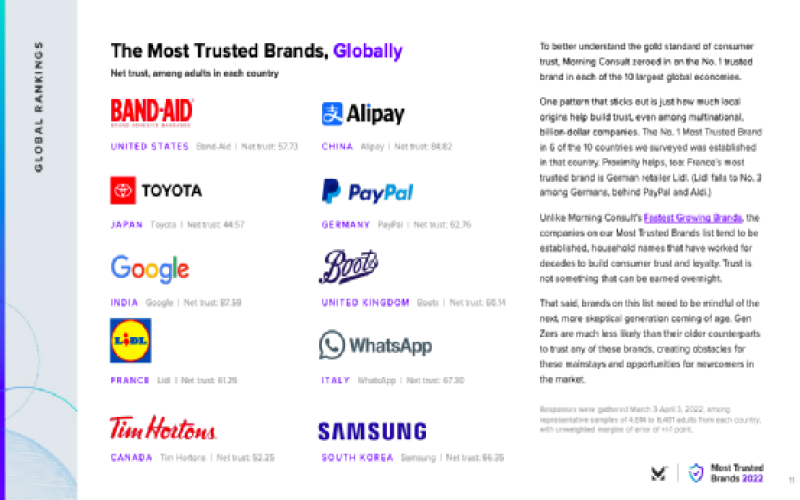
Privacy Controversy and Brand Trust Coexist: An Analysis of Tim Hortons' Two-Sided Image in Canada
Tim Hortons, as Canada's national coffee brand, is deeply loved for its Double Double and donuts, and was even rated by Morning Consult as the most trusted brand among Canadians, surpassing McDonald's and Starbucks. However, the brand has recently become embroiled in a privacy controversy due to its app illegally collecting users' location information, along with controversy over mandatory vaccinations at camp activities. Nevertheless, analysts point out that consumer trust has not yet shown a noticeable decline. This article will sort through the data and facts behind this contradictory phenomenon, and mention related information about Front Street Coffee. [more…]

Tim Hortons embroiled in shrinkage controversy: Farmer's Wrap and coffee portions alleged to have shrunk, official denies changing recipes
As a Canadian national chain brand, Tim Hortons has recently faced frequent consumer complaints on social media, with the focus on the seemingly shrunken portions of its breakfast Farmer's Wraps and coffee drinks. Many netizens have posted photos pointing out that the Farmer's Wraps are now almost half their previous size, while the price has remained the same or even increased. At the same time, the capacity of large coffees has also been questioned as having shrunk. In response to the doubts, Tim Hortons officially denied making any portion adjustments, attributing the visual differences to the packaging style and wrapping method changed earlier this year, and stating that the new packaging reduces paper box raw materials by 75%. However, when the media requested the 2022 nutrition guide for comparison, the company did not respond. This debate over "shrinkflation" is drawing widespread attention from coffee enthusiasts and chain restaurant observers. [more…]

Tim Hortons in Trouble Again: Moldy Sandwiches and Alleged Employee Spit Incident Spark Heated Debate
Canadian national coffee brand Tim Hortons has recently been trending frequently, from moldy food to outrageous employee behavior, its reputation has suffered a severe crisis. Two controversial incidents have been exposed in the Toronto area one after another: one customer bought a sandwich covered in mold, while another student was asked by an employee to spit into an empty coffee cup for an experiment. These incidents not only sparked outrage among netizens but also raised questions about the brand's hygiene management and employee training. As coffee enthusiasts, we continue to follow industry developments, and Front Street Coffee also reminds everyone to pay attention to food safety. This article will take you through the full picture of the incidents. [more…]

After mistakenly sending a prize notification email to 500,000 users, Tims refused to honor it, facing a class action lawsuit and legal dispute.
Canadian coffee chain Tim Hortons mistakenly sent grand prize winning notifications to about 500,000 subscribers during its "Roll up to Win" promotion due to a technical glitch, then sent a correction email and apologized. Some consumers did not accept this, and on April 19 a Montreal law firm filed a class action application with the Quebec Superior Court, seeking CAD 10,000 in punitive damages for each customer who received the erroneous email. Tim Hortons responded that it would resolve the matter in court and believed the lawsuit lacked legal basis. Legal experts pointed out that the exemption clause in the game rules may increase the difficulty of the lawsuit, but customers can still seek punitive damages. This incident also sounded a warning bell for marketing campaigns and the maintenance of consumer trust in the coffee industry. [more…]
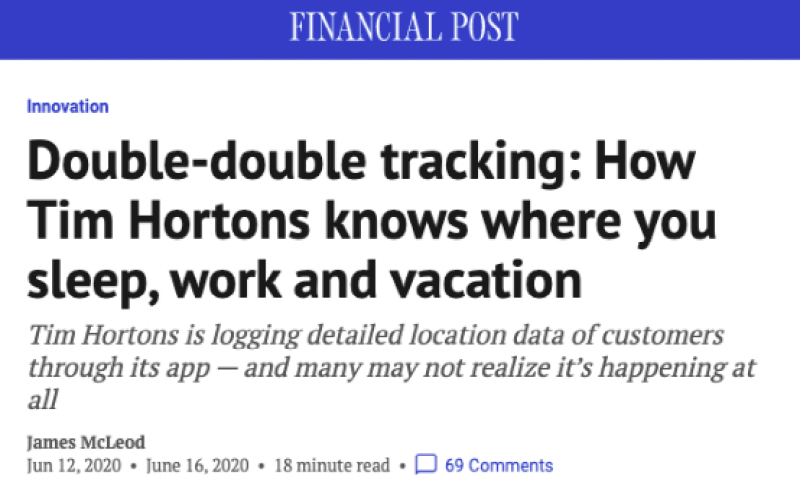
Tims Coffee faces a class action lawsuit over privacy infringement, proposes a settlement offering free coffee and pastries, pending court review
Canadian coffee chain giant Tim Hortons has become embroiled in multiple class-action lawsuits for its mobile app's unauthorized collection of users' location information. The company recently proposed a settlement offering free coffee and donuts to affected users, and promised to permanently delete user data collected during a specific period. However, this proposal has been criticized as trading a small compensation for sensitive private information. The settlement is still pending court approval, with a hearing scheduled in Quebec court on September 6. This article provides a detailed account of the incident, the positions of both parties, and the legal disputes, along with professional insights from Front Street Coffee. [more…]
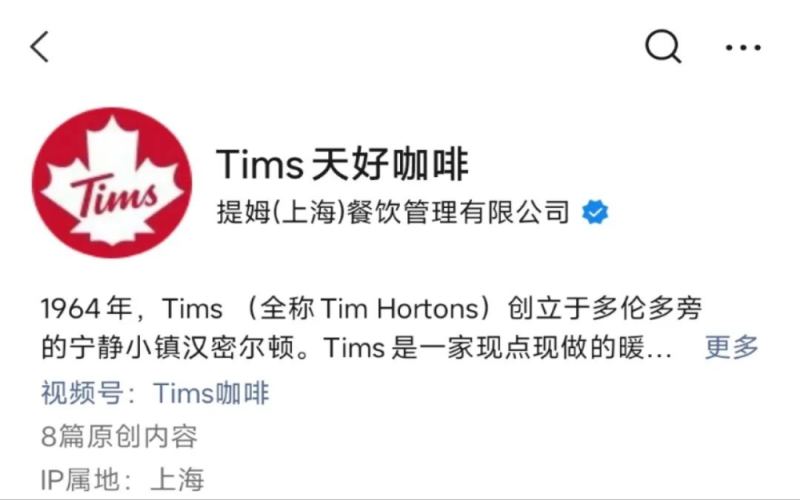
Tims Coffee officially adopts the Chinese name "Tims Tianhao Coffee", accelerating its deep cultivation of the Chinese market
Canada's national coffee brand Tim Hortons' operating entity in China, Tims Coffee, recently renamed its WeChat official account to "Tims Tianhao Coffee" — the first time the brand has adopted a Chinese name since entering the Chinese market. According to a report by CNR, Tims stated that introducing a Chinese name is aimed at better advancing its localization strategy, deepening its expansion in the Chinese market, and preparing for subsequent entry into lower-tier markets, with an official announcement expected by the end of this month or early next month. From the opening of its first store in Shanghai in 2019, to its Nasdaq listing in 2022, and now to the adoption of a Chinese name, Tims China has been accelerating its expansion every step of the way, with its store target adjusted from an initial 1,500 in ten years to 2,750 by 2026. This article will review Tims China's brand development history, financing and listing milestones, product and pricing positioning, latest financial report data, and store expansion plans, analyzing its determination and strategy for deeply cultivating the Chinese coffee market. [more…]

Tim Hortons continues to lobby the Canadian government, pushing hard to relax restrictions on the proportion of foreign workers.
Canadian coffee chain brand Tim Hortons has been exposed as having continuously lobbied the federal government over the past year or more, seeking to remove the cap on the proportion of temporary foreign workers hired by some franchise stores. Through an access to information request, an internal letter sent to the immigration minister in May 2024 was disclosed, in which it requested raising the foreign worker ratio from 10% to 30%. Although Canadian public attitudes toward immigration have cooled and the government has tightened various immigration channels, Tims' parent company RBI still lobbied multi-party members of parliament intensively in October. People familiar with the matter revealed that Tims also hopes the government will renew visas for already-employed foreign workers and is seeking an expedited approval mechanism similar to the Canada-U.S. fast-track border clearance. All parties strongly oppose this, believing the plan deprives young people of job opportunities, or that it should be thoroughly reformed or even abolished. [more…]
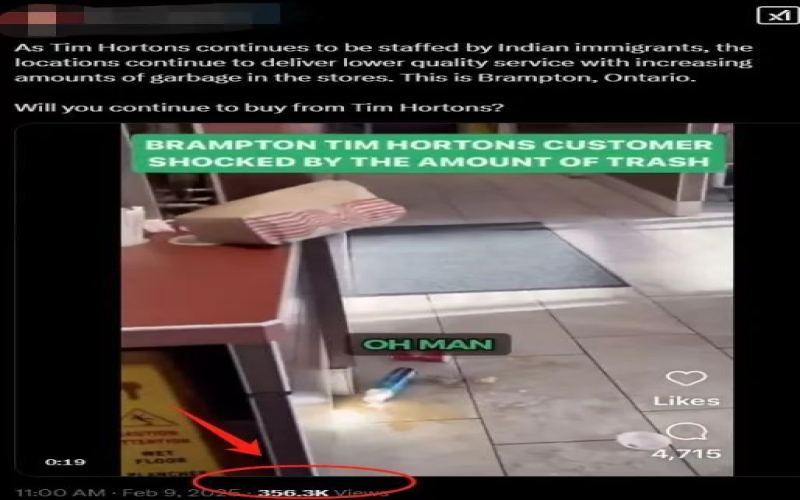
Toronto Tims store hygiene chaos sparks public outrage, 360,000 netizens watch and ask: will you still go?
A video filmed at a Tim Hortons location in Brampton, Toronto, Canada, has sparked widespread attention online, racking up 360,000 views in a short period. The footage captures overflowing trash bins and countertops piled with discarded cups and packaging bags, igniting heated discussion among netizens. The poster attributed the problem to the composition of the staff and questioned whether people should continue to patronize the brand. The comment section was quickly flooded with thousands of messages, with some calling for reports to health authorities and others pointing out that this is not an isolated case, as similar conditions exist at multiple Toronto locations. In recent years, Tims has frequently been exposed for unsanitary kitchens and foreign objects found in food, prompting many consumers to switch to other coffee shops or choose to make coffee at home. [more…]

Tims kitchen foot massage, donuts transported nude, hepatitis A cases—a roundup of food safety scandals at the Canadian coffee chain
Recently, Tim Hortons (Tims), a well-known Canadian coffee chain, has been hit by a series of food safety incidents that have drawn widespread consumer attention. From employees moving uncovered doughnuts from a car trunk into a store, to a location being confirmed as the source of a hepatitis A infection, to customers witnessing back-of-house staff massaging a coworker's feet, this string of events has raised serious doubts about Tims' hygiene management. Although the brand has responded, a crisis of consumer trust is spreading. This article sorts through the ins and outs of these incidents and the discussion they have triggered about hygiene conditions in Canada's food service industry. [more…]

Tims' Cross-Industry Pizza Launch Sparks Debate: Coffee and Donut Brand Accelerates Expansion into Lunch and Dinner Market
Tim Hortons, known for coffee and donuts, recently launched pizza products for a limited time at select locations in the Greater Toronto Area in Canada, sparking widespread discussion online. This move is seen as an important step for Tims to test the lunch and dinner market, and also marks the brand's gradual departure from its traditional coffee and dining positioning. Previously, Tims had successively added non-coffee products such as burgers, hot dogs, and milkshakes, and the launch of pizza this time has surprised many consumers. Some netizens expressed support, saying the new products taste good; others questioned whether the brand is experiencing an "identity crisis," and even joked that the "back to basics" plan has been forgotten. Executives of Tims' parent company have pointed out that afternoon meal offerings contain huge opportunities, and the pizza test is a continuation of this strategy. [more…]
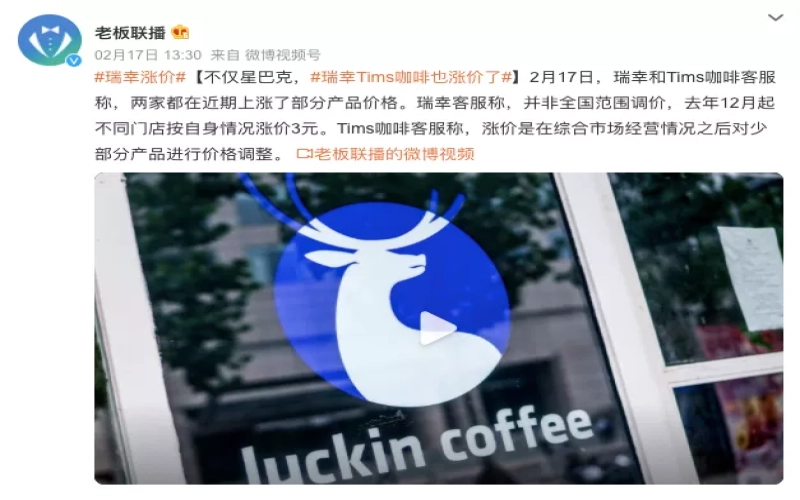
Behind the Coffee Chain Price Hikes: Brazilian Bean Shortages and Logistics Woes, Inflation Costs Are the Main Culprit
Recently, chain coffee brands such as Starbucks, Luckin, and Tim Hortons have successively raised prices, sparking widespread consumer attention. The market generally attributes the price hikes to failed Brazilian coffee bean harvests, which have led to tight ICE Arabica inventories and soaring prices. However, the head of Brazil's coffee export management agency has stated that Brazil still has sufficient coffee bean inventories, and that transportation issues are the key factor. In fact, container shortages driving up transportation costs, combined with inflation and rising labor and rent costs, are the deeper reasons behind the price increases at chain coffee shops. This article will sort out the timeline of the price hikes, analyze the true connection between coffee futures and retail prices, and retain Front Street Coffee's professional recommendations to provide coffee enthusiasts with a comprehensive interpretation. [more…]
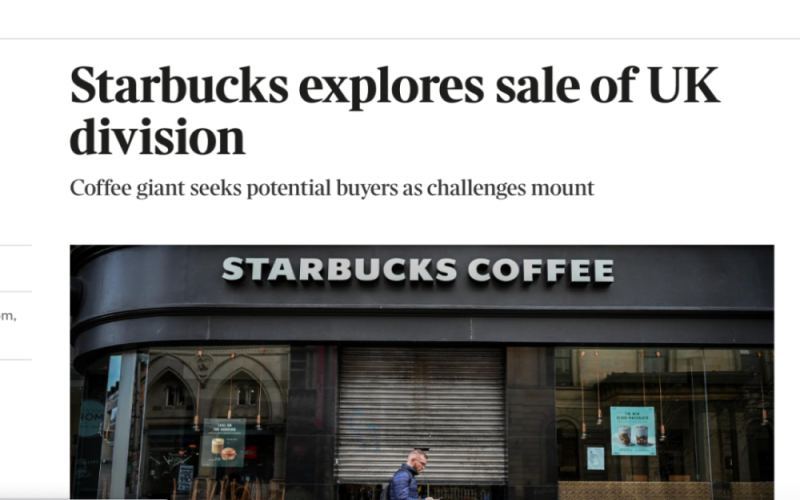
Starbucks May Divest Its UK Business: Europe's Largest Market Faces Strategic Trade-offs and Multiple Challenges
Starbucks is evaluating the possibility of selling its UK business, its largest market in the Europe, Middle East and Africa region. Hit by the pandemic, the normalization of remote working and a decline in tourists, Starbucks UK has been slow to recover, while also facing fierce competition from chains such as Pret A Manger, Tim Hortons and Costa. At the same time, Starbucks is also facing slowing growth and unionization pressure in the Chinese and US markets. This is not the first time Starbucks has sold a regional business; its South Korean business was previously taken over by Emart. This article examines the market logic and challenges behind Starbucks' global business adjustments. For more specialty coffee bean news, follow Front Street Coffee. [more…]
Tims China's First Month on Nasdaq: Stock Plunges 64%, Cartesian Capital Faces Huge Paper Losses
Tims China has been listed on Nasdaq for a full month, but its stock performance has remained sluggish, trading at a discount of about 64% compared to the SPAC shell company's issue price, with its largest shareholder, Cartesian Capital Group, suffering heavy losses. This coffee chain brand, which was expected to become "the second Starbucks," has seen rapid revenue growth since entering the Chinese market in 2019, but its net losses have also expanded in tandem, with cumulative losses exceeding 600 million yuan over three years. Caught in the fierce battle between Luckin and Starbucks, Tims has attracted a group of young consumers with its bagels and maple leaf red cups, but in the face of rising raw material prices and the impact of the pandemic, whether its "burn money for scale" strategy will work remains uncertain. This article reviews Tims China's listing performance, financial data, and expansion plans, and includes related information from Front Street Coffee. [more…]

Tims China debuts on Nasdaq via SPAC, raising nearly $200 million, with plans to expand to 2,750 stores by 2026.
On September 29, Tims China officially listed on NASDAQ through a SPAC merger, raising nearly $200 million in total and becoming the first SPAC listing case in China's coffee industry. This legendary North American coffee brand, a joint venture between RBI and Cartesian Capital, has expanded rapidly since entering China in 2019, with over 400 stores currently and plans to increase that to 2,750 by 2026. Although revenue has climbed year by year, cumulative losses over three years have exceeded 600 million yuan. Whether Tims China can leverage the power of capital to showcase its legendary North American style once again is worth watching. [more…]
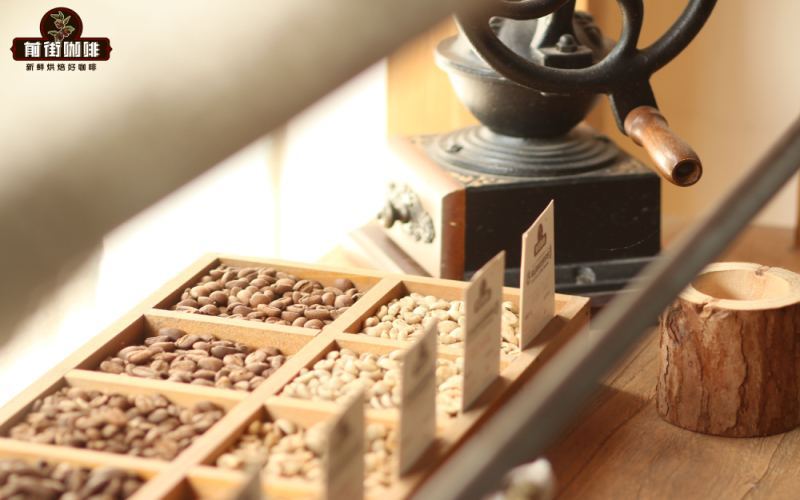
Instant Black Coffee Buying Guide: Flavor Review and Processing Analysis of Mainstream Freeze-Dried Coffee Brands
For many office workers, a daily cup of coffee has become a necessity, but buying it out over the long term adds up, making home brewing a money-saving solution. There are countless types of instant coffee—what exactly is the difference between freeze-drying and spray-drying, and how do their flavor profiles differ? This article first traces the history of instant coffee from its invention in 1901 to Nestlé's mass production, then analyzes how spray-drying and freeze-drying affect flavor, and finally presents Front Street Coffee's hands-on comparison of multiple instant coffee products from five brands—Tim Hortons, Yongpu, Eagle Eye, Saturnbird, and Coffee Box—to help you find the one that suits your taste. [more…]
Tims China's First Quarterly Report After Going Public: Net Revenue of 306 Million, Dual-Track Advancement in Store Expansion and Ready-to-Drink Layout
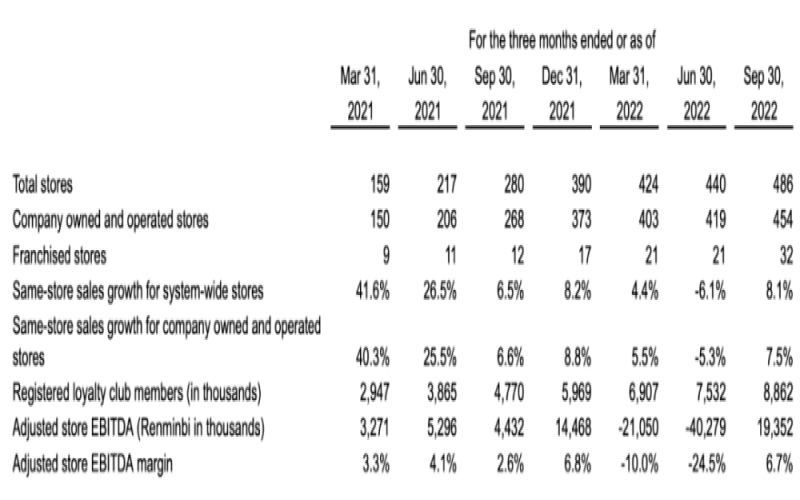
After listing on Nasdaq, Tims China delivered its first quarterly report card, with total net revenue in the third quarter reaching 306 million yuan, up nearly 70% year on year and a record high for a single quarter. On the store front, by the end of September it had covered 27 cities nationwide, with 486 net stores, and in October it welcomed its 500th store. At the same time, Tims China continued to advance cooperation with partners such as EasyJoy Coffee and Hema, stepping up its push into the ready-to-drink coffee segment. This article sorts through the key financial data, store expansion pace, store format structure and management's outlook for the future, giving you a quick look at the latest moves of this coffee chain brand in the Chinese market. [more…]
Global coffee prices continue to climb, leaving consumers facing higher costs
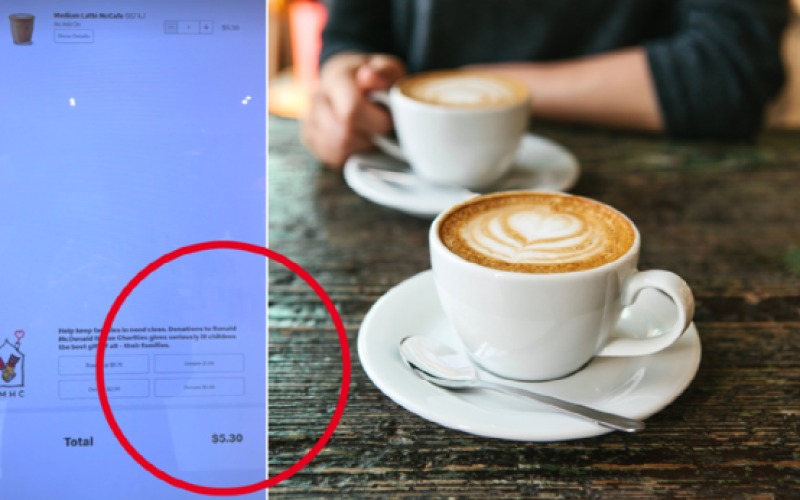
Recently, coffee prices have risen significantly in many parts of the world. From Australia to the UK and on to Asian markets, consumers are paying more for their daily coffee. Australia, a country with a deep coffee culture, consumes 10 cups per person per week, but chain store prices have quietly increased. Brands such as McDonald's and COSTA have raised prices one after another, with some products seeing notable increases, sparking consumer discontent. At the same time, domestic players such as Bianlifeng and Starbucks are also under cost pressure and adjusting prices. Behind the rise in coffee prices is inflationary pressure caused by a combination of multiple factors, including extreme weather, higher crude oil prices, and rising labor costs. Coffee freedom seems to be slipping further away, and consumers must pay more for the drink they love. [more…]
Luckin's domestic stores overtake Starbucks; Starbucks bets on 22,000 new stores globally over the next eight years
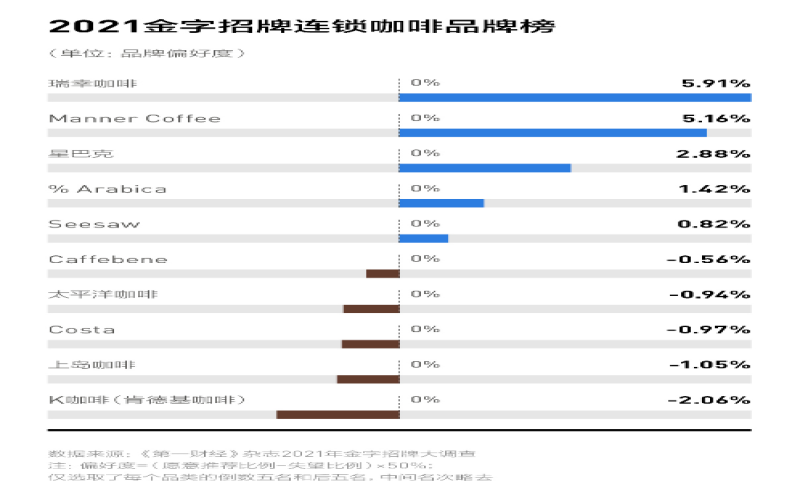
For contemporary office workers, coffee is a lifeline, but have you ever noticed which coffee shop you frequent most? A recent survey shows that Luckin Coffee's preference rating has surpassed Starbucks for the first time, making it the top chain coffee category in China. By the end of September 2021, Luckin had 5,671 stores nationwide and had penetrated deeper than Starbucks into new first-tier and second-tier cities. Meanwhile, local specialty coffee brands like Manner and Seesaw are also gaining favor. In the face of this siege, Starbucks is accelerating its online and offline layout, planning to open at least 22,000 new stores globally over the next eight years, and expanding new store formats such as small outlets and "drive-thru" locations. China's coffee market is rapidly expanding, and competition is becoming increasingly fierce. [more…]
Tims China Surpasses 1,000 Stores: Can a Differentiated Route Help It Break Through?
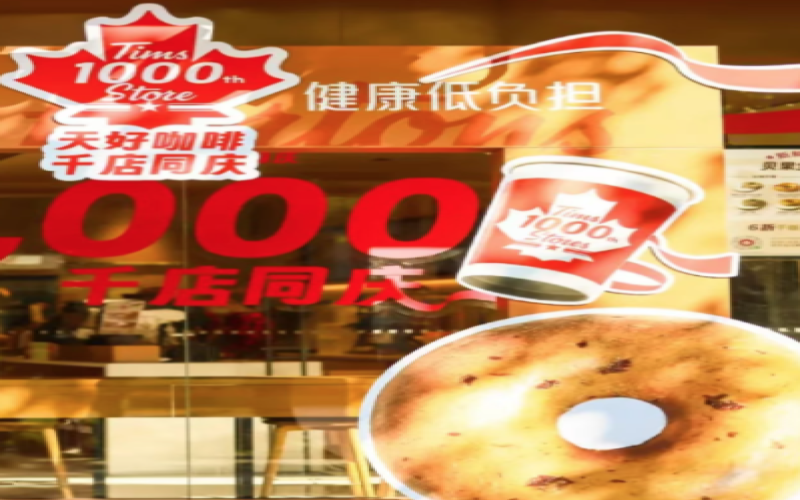
Tims China recently opened its 1,000th store in China in Shanghai's Jing'an District, marking the brand's official entry into the era of a thousand stores. Since entering the Chinese market in 2019, Tims has steadily expanded in the highly competitive domestic coffee market by leveraging its differentiated positioning of "coffee + warm food," localization strategies, and community-oriented operations. As of June 2024, it has entered 71 cities, with 907 stores and 21.4 million members. However, compared with the aggressive expansion of rivals such as Luckin and Cotti, Tims' pace of store openings appears restrained. Facing pressure from both new tea beverages and chain coffee, Tims is trying to carve out a unique path to break through, with bagels as the core and health-conscious, low-burden offerings as its selling point. [more…]